Babylonia: A Font That Adds Personality to Your Business
It started with a simple request from a customer. She wanted a custom label for her handmade soap, something that felt personal and unique. I had been using the same basic font for all my packaging, but it wasn’t cutting it anymore. I needed something that felt more like me—more like the brand I was trying to build. That’s when I discovered Babylonia.
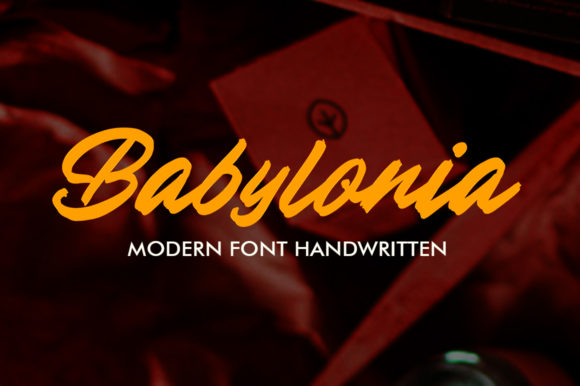
Babylonia is a handwritten script font with a warm, natural feel. It doesn’t look too formal or too casual—it strikes just the right balance. The letters flow smoothly, almost like someone wrote them by hand, which gives it a friendly and approachable vibe. It’s perfect for brands that want to stand out without being overwhelming.
How Babylonia Fits Into Everyday Business Needs
As a small business owner, I quickly realized how versatile Babylonia could be. I started using it on my product labels, and it made a huge difference. The font added a personal touch that customers noticed. They said it looked more thoughtful, more intentional. It wasn’t just a label anymore—it was part of the story behind the product.
I also used Babylonia for my social media graphics. Whether it was a new post about my latest candle scent or a promotional banner for a sale, the font gave everything a cohesive, polished look. It helped my brand feel more consistent across different platforms.
Another place where Babylonia really shined was in my business cards. I wanted something that felt authentic, not too corporate. The font added a bit of flair without being distracting. People remembered the design, and that made a difference in how they perceived my business.
Why Typography Matters for Small Businesses
Typography isn’t just about looking good—it’s about making a first impression. When customers see your brand, they’re forming opinions based on what they see. A well-chosen font can make your business feel more professional, trustworthy, and memorable.
Babylonia helps with that. Its natural style makes it easy to read, even in small sizes. I’ve used it on product tags and packaging, and it still looks clean and readable. It’s not too ornate, so it doesn’t get lost in busy designs. It works well as a headline, a logo, or even a decorative accent.
One thing I learned early on is that not all fonts are created equal. Some are great for headlines but hard to read in body text. Babylonia, however, is designed with practicality in mind. It’s ideal for short phrases, logos, and display text, but it also holds up in more detailed designs.
Real-World Examples of Babylonia in Action
Let’s say you run a small bakery. You want your packaging to feel inviting and fresh. Babylonia would work perfectly on your box labels, giving them a handmade, personalized look. It adds character without being too flashy.
If you sell skincare products, you might use Babylonia on your jar labels. It creates a sense of care and craftsmanship, which aligns with the values of your brand. It also pairs well with other fonts, making it easy to create a layered, professional look.
Even for a café, Babylonia can be useful. I used it on my menu headers, and it gave the whole design a more refined feel. It’s not too bold, so it doesn’t overpower the rest of the text. It’s the kind of font that makes your brand feel more connected to your audience.
Pairing Babylonia With Other Fonts
When working with Babylonia, I found that pairing it with a clean sans serif font like Open Sans or Lato worked best. It creates a nice contrast—Babylonia adds personality, while the sans serif keeps things modern and readable.
For a more elegant look, I sometimes pair it with a serif font like Georgia or Playfair Display. This combination is great for branding materials, website headers, or even printed brochures. It feels sophisticated but still approachable.
On the flip side, if I’m going for a more playful or creative vibe, I might pair Babylonia with another handwritten font. This works well for stickers, social media posts, or digital ads where a bit of whimsy is welcome.
What to Consider Before Using Babylonia
Before jumping into using Babylonia, it’s important to check what styles and file formats are included. The font comes in different weights and variations, which makes it adaptable for different projects. It also supports multiple languages, which is a big plus for businesses targeting a wider audience.
Make sure to review the licensing terms, especially if you plan to use the font on products, packaging, or client work. Babylonia is a commercial font, so it’s important to understand how it can be used legally.
Lastly, always test the font in different sizes and contexts. Whether it’s on a mobile screen, a printed label, or a social media thumbnail, Babylonia should still look good and remain legible.
Choosing the right font isn’t just about aesthetics—it’s about creating a visual language that speaks to your audience. Babylonia does that beautifully. It adds warmth, personality, and a touch of creativity to every design it touches. For small businesses looking to elevate their brand, it’s a simple but powerful choice.
Whether you’re updating your packaging, redesigning your website, or just trying to make your business materials look a little more polished, Babylonia is a font worth considering. It’s not just a typeface—it’s a tool for building a stronger, more recognizable brand.